Osteoarthritis: Can Diet and Exercise Help?
What helps osteoarthritis
In the past osteoarthritis was known as primarily a degenerative disease, and unfortunately people have focussed on the idea that the condition was only going to become progressively worse due to their age, gender, previous injury, and genetics - All factors known as non-modifiable, and not worth dwelling over.
But now there is endless research supporting nutrition and movement to help improve outcomes.
Nutrition and movement CAN improve quality of life, reduce pain, increase energy levels, and slow down disease progression.
No.. diet and exercise can’t cure the disease, but they can make life more manageable and enjoyable.
How can nutrition help osteoarthritis?
Osteoarthritis isn’t known as the ‘inflammatory arthritis’, but inflammation is present, and important.
Decreasing the amount of inflammation can help.
Depending on how you are currently eating, this could look like adding more anti-inflammatory foods into your diet - think colourful produce, omega-3, and fibre.
You can also decrease the amount of pro-inflammatory foods you are eating such as simple carbohydrates (sugar, white bread/pasta/rice), additives, and processed foods.
Weight loss in some cases will reduce inflammation too, because fatty tissue signals for increased inflammation throughout the whole body/system.
Can exercise help osteoarthritis?
Exercise is also proven to reduce inflammation - probably not jumping or pushing yourself past comfort, but gentle and gradual movement such as swimming, cycling, cross training, or walking has shown the ability to reduce pain, swelling, and stiffness.
Aqua aerobics is a great option too, as it can take pressure off the joints, while building strength and improving cardiovascular fitness.
Exercise is also well known to reduce stress, and improve mental health, and its effectiveness is heightened when you’re doing it in a group. Improvements in stress and mental health are also associated with reduced inflammation.
It might help to write down the activities that you do each week, and highlight where you could fit in more movement - e.g., where can you walk instead of driving? What days are you more sedentary, and how could you break up that seated time by adding an activity?
It’s sometimes easier having someone look in from the outside, and recruiting a friend to check on your progress can be beneficial.
Best foods for osteoarthritis
A couple of simple rules to start with are:
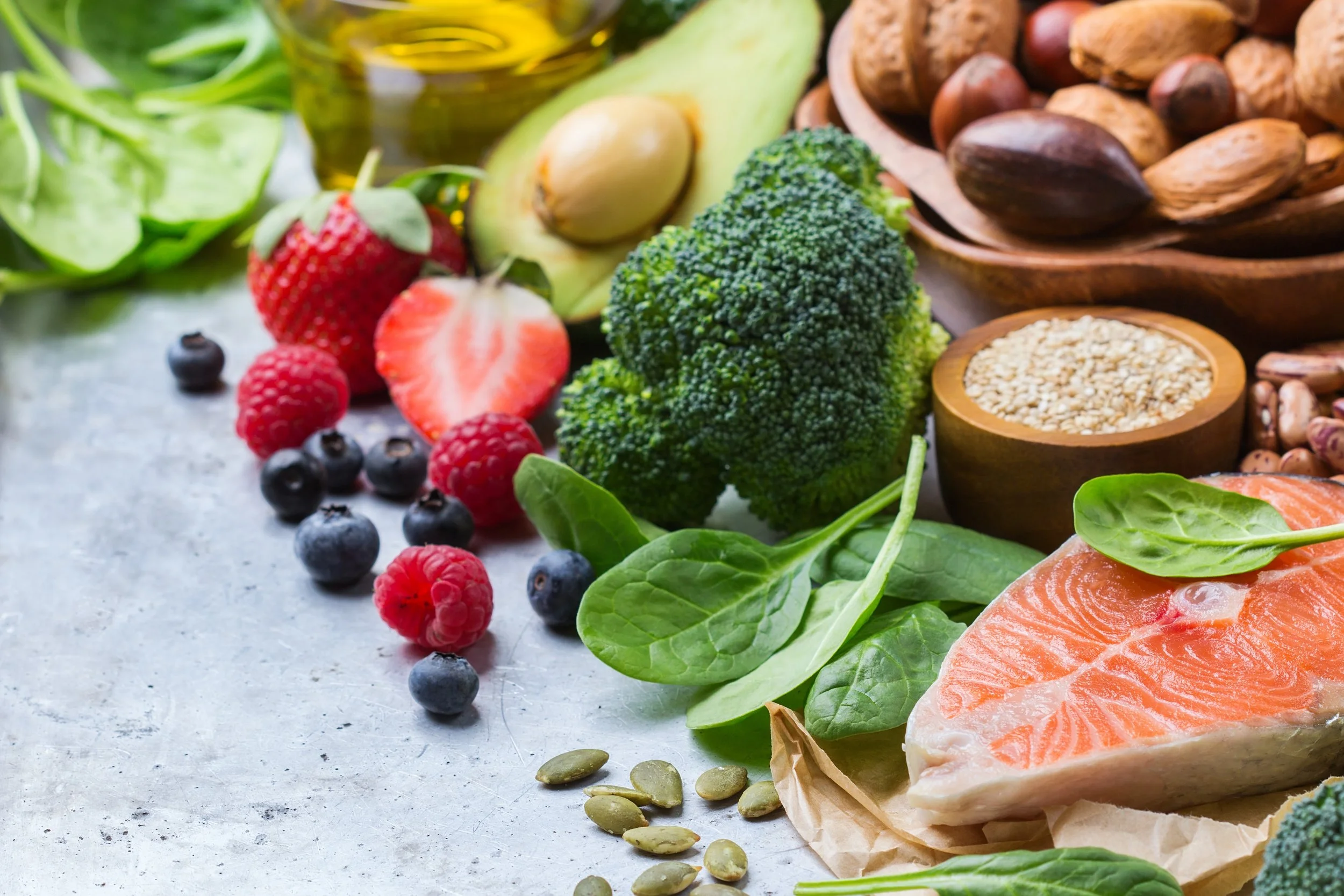
Choose wholefoods
More plants and more legumes. It can help to count up each different plant you are eating - e.g., carrot, chickpea, pumpkin seed etc. The more the better!
Choose wholegrain and wholemeal options; pastas, breads, brown rice, and seeded varieties of staples. Snack on fruit over baked goods.
Different coloured plants have different ‘phytonutrients’ in them. Purple has one antioxidant, orange has another. Can you get more red, green, purple, yellow…? They are all helpful! Even white.
Eat like you’re Greek
Well not necessarily Greek, but Mediterranean. The simple principle of this style of eating is to eat lots of wholefoods ^^.
A large variety of produce, extra virgin olive oil, legumes, and fish. They sometimes have chicken or poultry, and only occasionally have lean red meat.
If there was one eating style that has the most research supporting its positive effect on arthritis, it’s the Mediterranean diet.
What food to avoid for osteoarthritis
Simply put, avoid packaged foods, and things that have a long list of ingredients.
On the nutrition label in NZ, the ingredients are listed from highest quantity to lowest. If you’re seeing sugar or oil as the first or sometimes second ingredient - keep this food to a minimum.
Things that last for a long time (excluding frozen or canned items) - if it just doesn’t make sense that the food can stay fresh for weeks on end -question how is that food staying fresh?
Try to reduce your intake of red meat slightly. I say slightly because setting a goal to go from red meat five days per week to one is probably going to set you up for failure, but if you decrease the quantity by purchasing half of the packet size you were buying in the past, you have then decreased the quantity of red meat by 50%.
Stretch the smaller pack size over the same amount of meals by cutting your steak in half, and adding beans or vegetables to your mince meals, or adding an extra side of vegetables.
How to lose weight with osteoarthritis?
As mentioned above, excess body fat can increase inflammation, and contribute to pain, fatigue, stiffness, and swelling.
In the past the association between excess body weight and joint pain was thought to be from excess weight stressing the joints.
With those factors in mind, weight loss could reduce your symptoms, help you walk easier, and help to retain your independence.
While every journey is going to differ slightly, I think many people could benefit by increasing their activity level, and eating more wholefoods.
Set an achievable fitness goal like:
“I will walk around the block at 5:15 every weekday”,
or
“I will go to the pools each Tuesday and Thursday evening for a paddle”
Whatever fits your schedule, and your preferences - you have to enjoy it!
As well as improving low impact exercise, you’ll want to look into strengthening exercises, as having strong muscles helps to support your joints, and burns more calories.
Try to include a couple of strength sessions into your week, and check you are including protein into each section of your day.
You should be getting at least 20g of protein at breakfast and lunch - not just dinner - to help you build the muscle you need.
Choose lean animal proteins, and plant-based sources such as beans/legumes.
As I said, everybody is different. I’d need to take a look into your specific lifestyle to see exactly where you would benefit most from making an improvement, but generally; exercising more, eating more vegetables, choosing low-fat variations of dairy products, and trim proteins are possible starting points.
Can you improve in any of these areas?
If you need help setting achievable goals, or figuring out where to start, Book a free 15-minute chat to run through some of your concerns. We can look at what’s going to make the biggest difference for you and build from there.
For more information check out these links
Arthritis Foundation. Benefits of Exercise for Osteoarthritis. - https://www.arthritis.org/health-wellness/healthy-living/physical-activity/getting-started/benefits-of-exercise-for-osteoarthritis
Arthritis New Zealand. Getting started with a healthy eating pattern. -https://www.arthritis.org.nz/living-with-arthritis/nutrition/get-started-with-a-healthy-eating-pattern
Arthritis Foundation. The ultimate arthritis diet (anti-inflammatory eating). -https://www.arthritis.org/health-wellness/healthy-living/nutrition/anti-inflammatory/the-ultimate-arthritis-diet
Aerobic exercise for knee osteoarthritis: comparative efficacy and safety. https://www.bmj.com/content/391/bmj-2025-085242